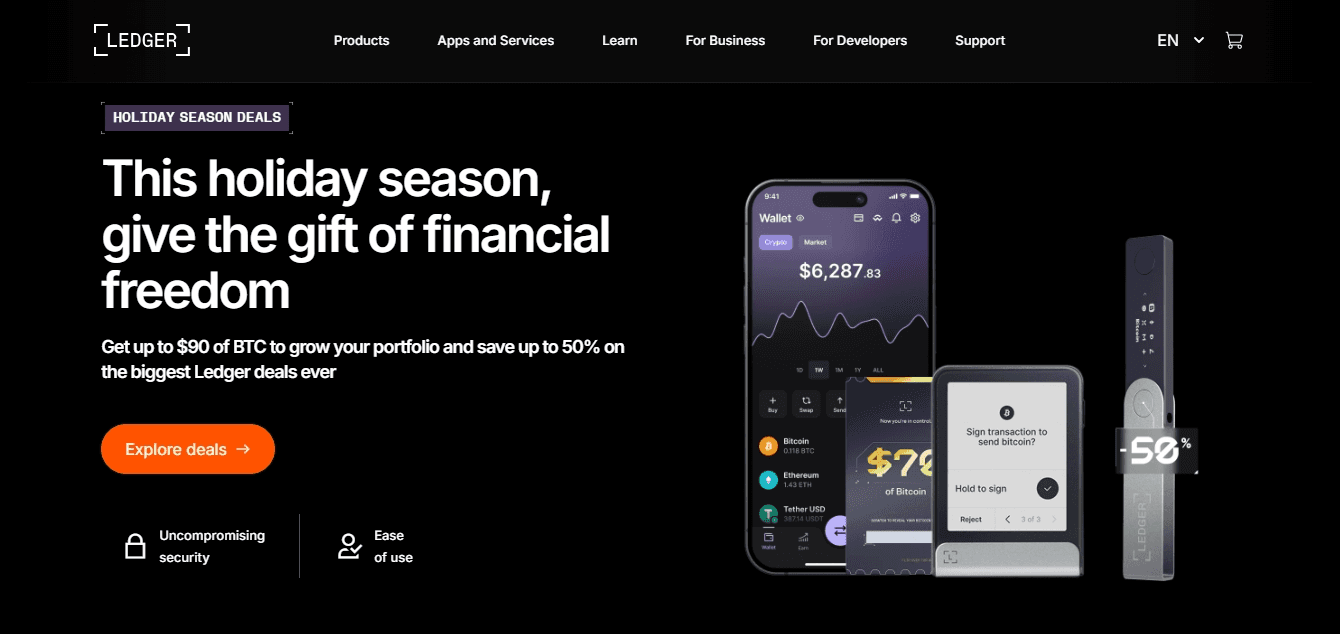
Ledger.com/start: Complete Guide to Secure Cryptocurrency Management
Ledger.com/start is the official starting point for users who want to securely manage cryptocurrencies using Ledger hardware wallets. Ledger wallets are designed to provide robust security for digital assets by storing private keys offline, ensuring that users retain full control over their funds. By combining cutting-edge hardware security with intuitive software interfaces like Ledger Live, Ledger.com/start guides users through setup, account access, and safe cryptocurrency management.
This guide covers everything users need to know to begin their journey with Ledger, including hardware wallet setup, Ledger Live installation, security best practices, transaction management, and long-term portfolio management. Whether you are new to cryptocurrency or a seasoned investor, understanding Ledger.com/start ensures your digital assets are protected.
What Is Ledger.com/start?
Ledger.com/start is the official onboarding hub for new Ledger hardware wallet users. It provides:
Instructions for setting up Ledger hardware wallets
Guidance for installing and using Ledger Live software
Tips on securing recovery phrases and private keys
Resources to learn about Ledger-supported cryptocurrencies
The portal ensures that users follow verified procedures, minimizing the risk of mistakes or security breaches.
Why Ledger Hardware Wallets Are Important
Ledger hardware wallets are considered one of the most secure ways to store cryptocurrency. Unlike software wallets that are connected to the internet, Ledger wallets keep private keys offline, protecting them from hacks, phishing, and malware attacks.
Key benefits include:
Offline private key storage: Reduces exposure to online threats
Transaction verification on device: Ensures that only authorized transactions occur
Support for multiple cryptocurrencies: Manage Bitcoin, Ethereum, and thousands of other assets
Integration with Ledger Live: Provides a user-friendly software interface for portfolio management
By starting at Ledger.com/start, users follow a structured approach to leverage these security features effectively.
Getting Started: Ledger Hardware Wallet Setup
Step 1: Unboxing Your Ledger Device
Ledger wallets come in secure packaging. Users should inspect the box for tampering before opening. The package typically includes:
Ledger device (Nano S, Nano X, or Nano S Plus)
USB cable or Bluetooth connection instructions
Recovery sheet for backup
Instruction manual
Ensuring the package is sealed and untampered is the first step in maintaining security.
Step 2: Installing Ledger Live
Ledger Live is the software interface that connects your Ledger device to your computer or smartphone. To install:
Visit Ledger.com/start
Download Ledger Live for your operating system (Windows, macOS, Linux, iOS, Android)
Follow installation instructions provided on the site
Ledger Live allows users to manage accounts, send and receive cryptocurrency, and install app support for various tokens.
Step 3: Initial Device Setup
After unboxing and installing Ledger Live:
Connect the Ledger device to your computer or mobile device
Choose “Set up as new device” if it is your first time
Select a PIN code (4–8 digits) to secure the device
Write down your 24-word recovery phrase on the provided sheet
The recovery phrase is your ultimate backup. Losing it could result in permanent loss of access to your funds.
Step 4: Confirm Recovery Phrase
Ledger devices will ask users to confirm the recovery phrase in the correct order. This step ensures that the backup was recorded accurately. Users should never store the recovery phrase digitally or online.
Ledger Live: Dashboard and Account Management
Once your device is set up, Ledger Live provides a comprehensive dashboard to manage your cryptocurrency portfolio.
Features include:
Portfolio overview: Track total holdings and balances
Transaction history: Review all past transfers and operations
Receive and send crypto: Manage transactions with verification on the Ledger device
Install apps for different cryptocurrencies: Add support for multiple tokens
Ledger Live is designed to simplify asset management while ensuring security.
Adding Accounts and Supported Cryptocurrencies
Ledger Live allows users to create separate accounts for each cryptocurrency:
Open Ledger Live and select “Add Account”
Choose the cryptocurrency you want to manage
Confirm the account creation on your Ledger device
Ledger supports thousands of cryptocurrencies including Bitcoin, Ethereum, Litecoin, XRP, and many ERC-20 tokens. Users can manage multiple accounts simultaneously.
Sending and Receiving Cryptocurrency
Receiving Cryptocurrency
Open Ledger Live and select the account to receive funds
Click “Receive”
Copy the provided wallet address or scan the QR code
Verify the address on your Ledger device screen
Sending Cryptocurrency
Select the account from which to send funds
Click “Send”
Enter recipient address and amount
Confirm transaction details on Ledger Live
Verify and approve the transaction on your Ledger device
All transactions require physical confirmation on the Ledger device, providing an extra layer of security.
Security Best Practices
Ledger wallets are highly secure, but user vigilance is essential. Follow these best practices:
Never share your recovery phrase: It is the key to your funds
Use a strong PIN code: Avoid easily guessable numbers
Update Ledger Live and device firmware regularly: Ensures protection against vulnerabilities
Verify addresses on the device screen: Protects against malware
Avoid untrusted devices: Don’t connect your Ledger to unknown or public computers
Adhering to these practices ensures maximum protection for your digital assets.
Backup and Recovery
The 24-word recovery phrase is the only way to recover your wallet in case your device is lost or damaged. To restore:
Connect a new Ledger device
Choose “Restore from recovery phrase”
Enter the 24-word phrase in order
Set a new PIN
Never enter your recovery phrase into software, email, or web forms—only on your Ledger device.
Ledger Nano X vs Nano S vs Nano S Plus
Ledger offers multiple devices to suit different needs:
Ledger Nano X: Bluetooth-enabled, supports many apps, larger storage
Ledger Nano S Plus: More app storage than Nano S, updated interface
Ledger Nano S: Compact and affordable, supports multiple coins, fewer apps
Each device provides the same core security features, with variations in connectivity and app capacity.
Managing Tokens and ERC-20 Assets
Ledger Live supports Ethereum and ERC-20 tokens:
Install the Ethereum app on your Ledger device
Add the account in Ledger Live
Access supported ERC-20 tokens through Ledger Live
Use Ledger to send, receive, and verify token transactions
Token management requires attention to detail to avoid sending assets to incorrect addresses.
Staking and DeFi Integrations
Ledger supports staking and decentralized finance (DeFi) integration:
Stake cryptocurrencies like Tezos, Tron, and Ethereum
Earn rewards directly through Ledger Live
Connect to DeFi protocols securely using Ledger devices for signing transactions
Staking via Ledger ensures assets remain under your control while participating in network rewards.
Common Issues and Troubleshooting
Occasional issues may arise, such as:
Device not recognized by Ledger Live
Firmware update interruptions
Transaction delays or network congestion
App installation errors
Most problems are resolved by updating Ledger Live, checking device connections, or consulting the Ledger support portal.
Long-Term Asset Management
Ledger wallets are suitable for both active trading and long-term storage:
Securely store crypto for years in cold storage
Monitor portfolio performance via Ledger Live
Manage multiple accounts and assets with a single device
Ledger provides a reliable solution for both casual investors and cryptocurrency enthusiasts.
Ledger Security Philosophy
Ledger operates under the principle of self-custody with enhanced security:
Private keys never leave the device
Transactions must be verified physically
Open-source firmware and apps allow transparency
Recovery phrase is only known to the user
This philosophy ensures user autonomy while mitigating external threats.
Using Ledger Safely in Daily Operations
For regular use:
Only connect Ledger to trusted devices
Avoid entering your recovery phrase outside the device
Confirm all transaction details on the Ledger screen
Keep firmware and Ledger Live updated
Following these habits maintains the wallet’s integrity.
Final Thoughts
Ledger.com/start is the gateway to secure cryptocurrency management using Ledger hardware wallets. By following verified setup instructions, installing Ledger Live, and understanding device operations, users can confidently manage multiple assets while minimizing risk.
Ledger wallets combine offline private key storage, transaction verification, and broad cryptocurrency support to provide an unmatched level of security. Proper handling of the recovery phrase, PIN, and device confirmations ensures that your assets remain fully under your control.
Whether storing crypto long-term, participating in staking, or actively trading, Ledger provides the tools and security needed for safe, self-custodial digital asset management. Starting at Ledger.com/start sets users on a path to responsible and secure cryptocurrency ownership.